
Concrete steps construction in Thousand Oaks CA - a firm base and a surface that grips
Cracked, uneven or slippery front steps? We build new concrete steps on a packed base with a textured finish, sized for your entry.
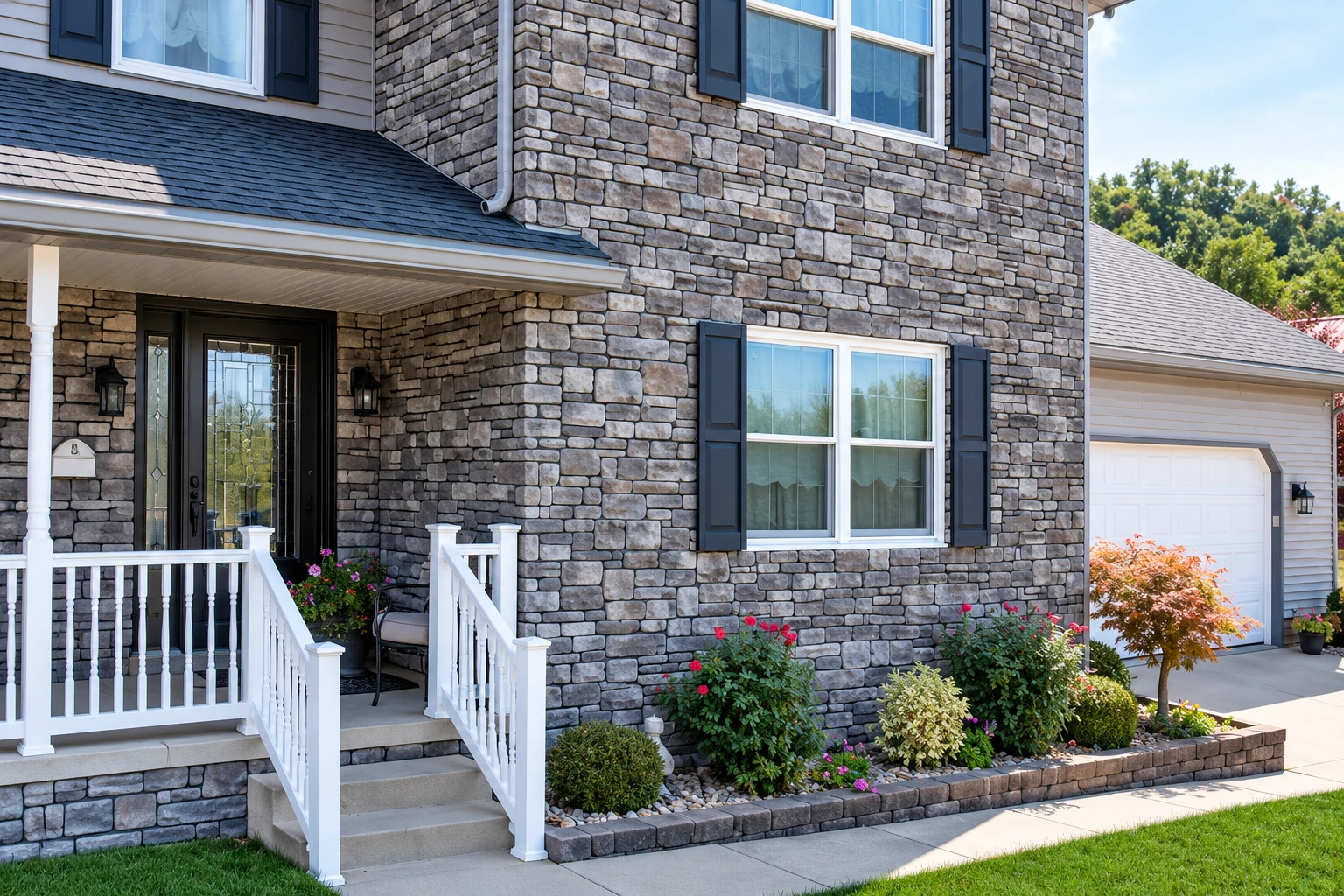
What goes into building new concrete steps?
Concrete steps construction in Thousand Oaks means forming and pouring a new set of steps at your entry, or setting precast steps made ahead of time, so you have a solid, even way in and out of your house.
Most people call us when the old steps have cracked, sunk on one side or turned slick, and the fix usually means taking them out and starting over on a better base. The price depends mostly on whether you go precast or poured, how many steps you need and how wide they are, and how much digging and groundwork the spot needs. The schedule depends on that groundwork and on curing, the days fresh concrete is kept damp so it gains strength before anyone walks on it. If your steps will lead down to a new slab out back, we can plan them together with a new concrete patio. I'll give you your own figure at the estimate and spell out the work, so you know what you're paying for.
How we handle concrete steps construction
At the estimate, I'll walk you through precast and poured steps so you can weigh the price against the fit your entry needs. For poured steps, our crew digs out the old steps and the loose soil, then packs the subgrade, the ground the steps sit on, until it's firm, because steps set on loose fill drop and pull away from the house. Next we build the forms and set rebar, steel bars that help hold the concrete together if it cracks. We'd rather pour in the cool of the morning than in midday heat, which can leave a weak, dusty top. We give the treads, the flat parts you step on, a broom finish, a light brushed texture that grips your shoes, because a smooth, polished step turns slippery when it's wet. If the budget has to give somewhere, I'd cut a fancier finish before I'd cut the base, since nobody sees the base on day one but it decides whether the steps stay level for years.
Steps often tie into other work. When they land on a new porch or tie into the house, the support has to match what's underneath. That's why we often plan them together with slab foundation building for a new porch or landing, or with foundation installation when you're adding a room.
Why Thousand Oaks homeowners call Prestige Thousand Oaks Concrete Company for steps
I write every estimate myself
I come out to look at your entry and write the estimate myself, so the person who priced your steps is the one who answers your questions about them. Once the job is booked, our crew lead runs the work on site.
In business since 2013
I learned the trade working alongside concrete crews and opened this business in 2013 once I was licensed. We're best known for careful flatwork and for explaining each step before we start, so you know what's going under your steps before we pour.
Licensed and fully insured for steps
We're licensed and fully insured. Forming, pouring and finishing concrete is the work the state licensing board describes as a concrete contractor's trade, so building steps is our regular work, not a side job.
Planning for Ventura County clay
The County of Ventura maps clay soils across the south half of the county and notes that the most clay usually lies in low-lying ground, so I look at where your entry sits before we talk about the base. We're based in Thousand Oaks and work in Simi Valley, Camarillo, Ventura, Malibu and many other cities around it.
On steps, what matters most is the part you can't see once the job is done, the base and the support underneath. To get started, send us a request with a photo of your entry and the number of steps you need, or call (805) 413-5506. Thank you for considering us.
Get a free on-site estimate for your new steps
We reply to every call and request within one business day, and there's no pressure to book. Once your request comes in, I'll set a time to come out, look at your entry and write the estimate myself. A photo of the entry and the number of steps you need helps me come prepared.
Concrete steps and entries
Questions before you build concrete steps
How much do concrete steps cost in Thousand Oaks?
Poured concrete steps across the US usually cost about $200 to $500 per step. That's a national figure for the work, not our price, and the forms and steel are usually counted in the materials, while extra digging or groundwork adds time and cost. I'll give you your own figure once I've seen the entry, and the work is backed by our satisfaction guarantee.
Should I get precast or poured concrete steps for my house?
Precast steps cost less because they're hollow and easier to put together, while poured steps cost more but can be built in a much wider range of sizes. If a standard precast unit fits your entry, it's the cheaper way to go. If your door sits at an odd height or the landing needs a particular width, I'd spend the extra on poured steps, because they're built to fit your entry.
How long do concrete steps last?
Concrete steps usually last 30 to 40 years with proper care and upkeep, so the price buys a long service life if you keep up with them. The thing to watch for is settling, because if one part ends up higher than another, even a small difference can become a trip hazard, so it's worth repairing promptly.
How will my new concrete steps be supported?
The footing and steel are chosen by how the steps are held up, whether they rest on the ground, tie into a landing or foundation, or are built as a stair that spans a gap. Even decorative steps need more than loose, unpacked fill underneath, so it's fair to ask every bidder how they'll support yours. At the estimate, I'll show you how your steps will be held up.
How long does curing take on new concrete steps?
One industry guide says curing should start as soon as finishing ends and continue for at least 3 days, with the concrete kept damp under wet burlap and plastic, sealed with a curing compound or kept wet with water. We'll tell you when your steps are ready for foot traffic, so plan on using another door for those first days.
What is the best way to keep water from sitting on concrete steps?
One maker's guide says concrete steps should slope forward for proper drainage, so water runs off the front of each tread instead of sitting on it. Before we set the forms, we check where water runs between your door and the walk, because a step that holds water stays slippery.
Work that often goes with new steps
- Slab foundation building
If your new steps lead up to a porch, landing or addition, a well-built slab underneath gives them something solid to tie into and keeps the two surfaces level.
- Foundation installation
Adding a room or garage along with new steps? We can pour the foundation first, so the steps tie into it and meet the door at the right height.